Nylon vs PVDF vs PES vs PTFE Syringe Filters — Complete Membrane Compatibility Guide for Indian Laboratories
Choosing the wrong syringe filter membrane for HPLC sample preparation is one of the most common — and costly — errors in pharmaceutical QC and research laboratories across India. A PVDF membrane used with DMSO-heavy samples, or a Nylon filter exposed to strong acids, can introduce extractables that directly corrupt chromatographic baselines and invalidate analytical results.
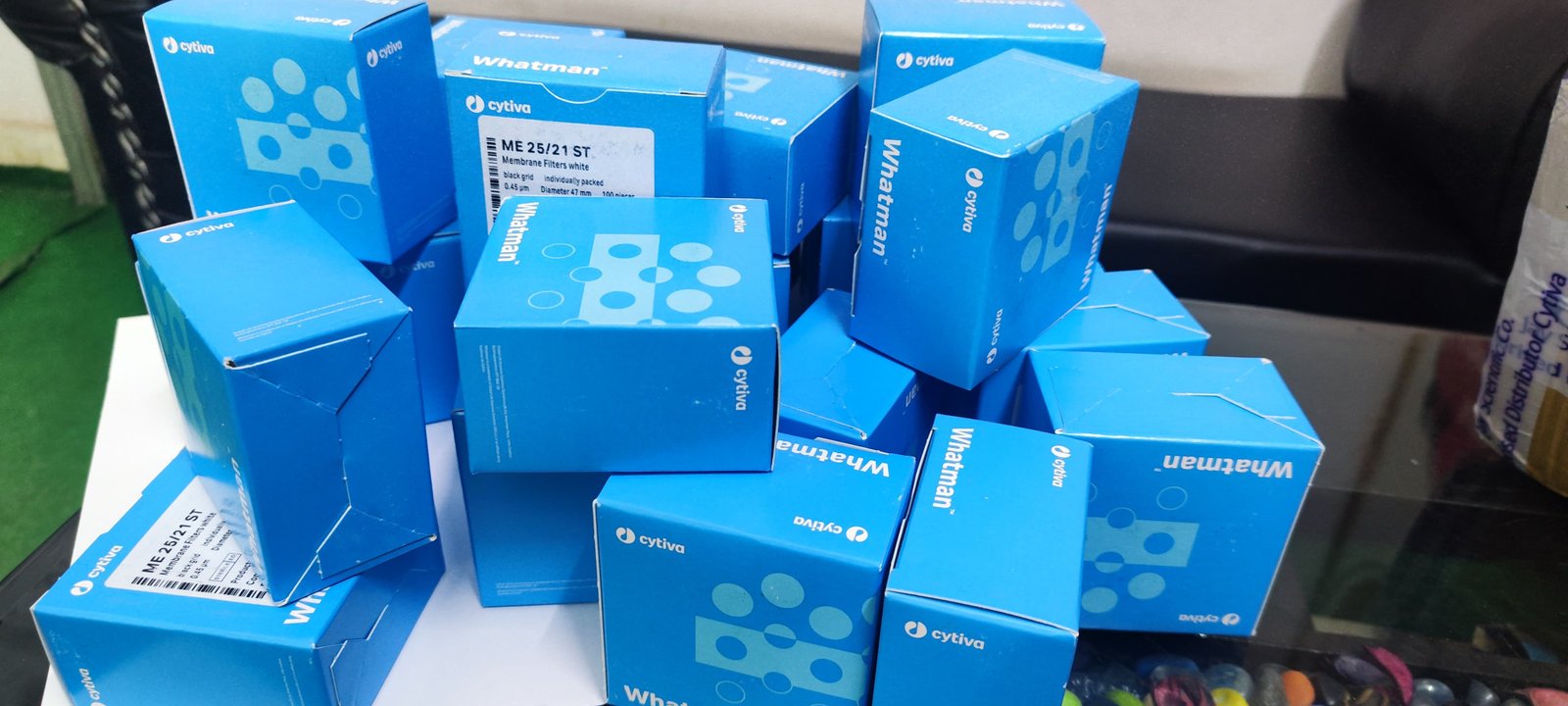
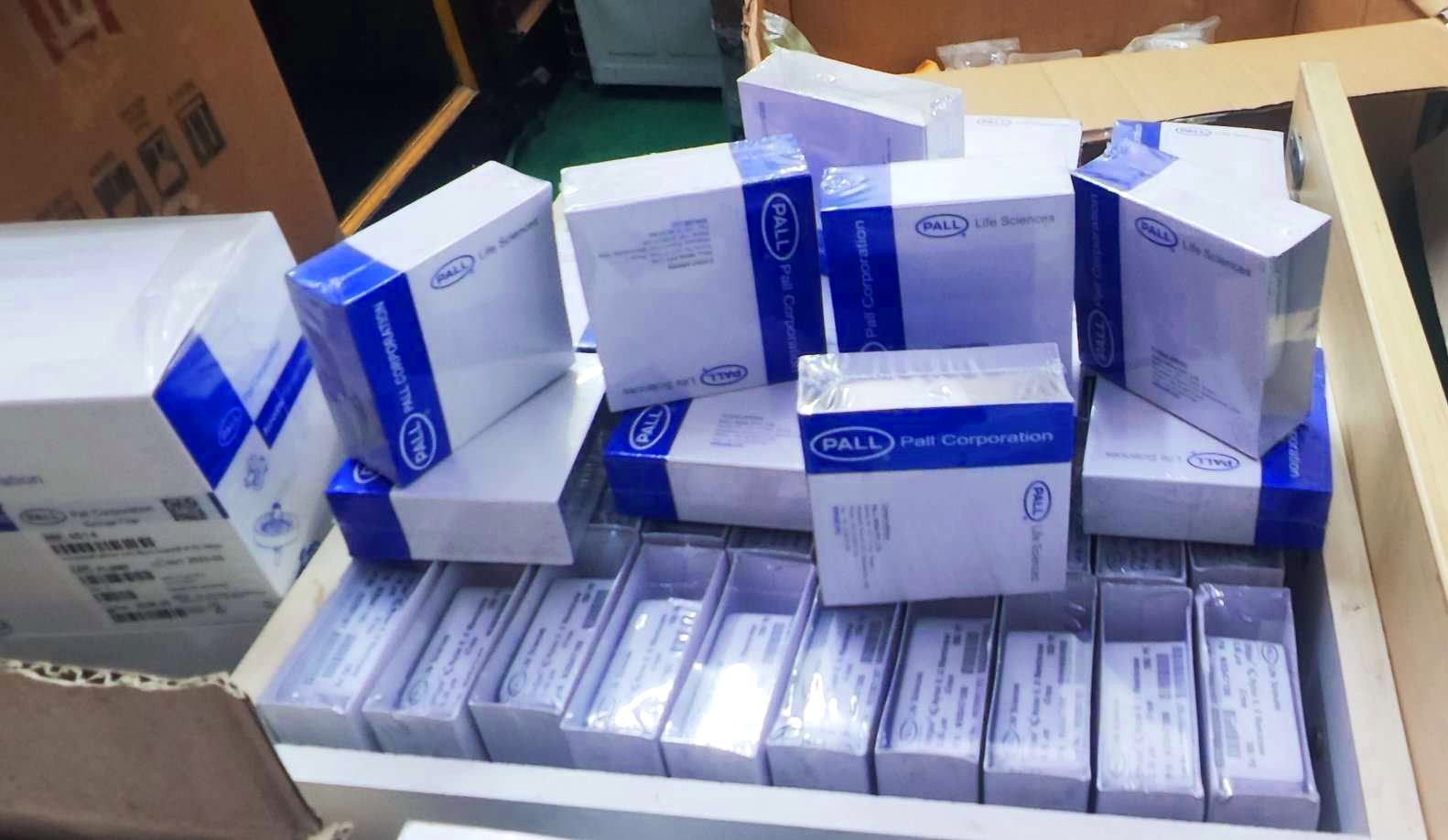
Nylon filters offer broad aqueous compatibility but degrade in strong acids. PVDF provides excellent chemical resistance for aggressive solvents. PES delivers high flow rates ideal for protein-sensitive biological samples. PTFE handles all solvents but is inherently hydrophobic, requiring pre-wetting for aqueous filtration. Scientific Edge supplies all four membrane types from Axiva, Cytiva, and Pall with COA documentation across India.
This guide compares all four syringe filter membrane types across chemical compatibility, extractable profiles, flow characteristics, and application fit — so your lab can match membrane to method with confidence.
What Are the Four Main Syringe Filter Membrane Types?
The four primary syringe filter membranes — Nylon (polyamide), PVDF (polyvinylidene fluoride), PES (polyethersulfone), and PTFE (polytetrafluoroethylene) — each offer distinct chemical resistance and flow properties suited to specific analytical and preparative filtration workflows in laboratories.
Each membrane is engineered for specific solvent and sample matrix conditions. Pharmaceutical QC labs running USP dissolution testing require different membrane characteristics than biotech labs filtering protein solutions or environmental labs processing acidic water samples.
Nylon (Polyamide) Membranes
Nylon syringe filters are the most commonly used membrane in Indian analytical labs due to their compatibility with both aqueous and organic solvents at moderate concentrations. They work well with HPLC-grade methanol, acetonitrile, and ethanol — the standard mobile phase solvents in pharmaceutical QC. However, Nylon degrades rapidly in strong acids (pH <3) and concentrated phosphoric acid, which limits its use in certain dissolution media preparations.
PVDF (Polyvinylidene Fluoride) Membranes
PVDF membranes deliver superior chemical resistance across a wider solvent range than Nylon, including compatibility with DMSO, DMF, THF, and mild acids. For pharma labs working with aggressive mobile phases or sample matrices containing chlorinated solvents, PVDF is the safer choice. The membrane also exhibits very low protein binding, making it suitable for biological sample preparation when PES is unavailable.
PES (Polyethersulfone) Membranes
PES syringe filters are the gold standard for biological and protein-containing samples in biotech and clinical laboratories. With the lowest protein binding of any common membrane, PES preserves analyte concentration during filtration — critical for ELISA assay preparation, vaccine QC, and cell culture media clarification. PES is limited to aqueous and mild organic solvent use.
PTFE (Polytetrafluoroethylene) Membranes
PTFE is the most chemically inert membrane available, compatible with virtually all solvents including concentrated acids, bases, and aggressive organics. It is the only reliable choice for filtering strong acid digests in heavy metal analysis or concentrated solvent washes. The key limitation: PTFE is hydrophobic and requires pre-wetting with methanol or ethanol before filtering aqueous samples.
How Do Syringe Filter Membranes Compare for HPLC Sample Preparation?
For routine HPLC with acetonitrile/water or methanol/water mobile phases, Nylon or PVDF 0.22 µm syringe filters are recommended. PVDF is preferred for gradient methods due to lower UV-absorbing extractables, while Nylon offers faster flow rates for high-throughput QC environments.
| Property | Nylon | PVDF | PES | PTFE |
|---|---|---|---|---|
| Aqueous compatibility | ✅ Excellent | ✅ Good | ✅ Excellent | ⚠️ Needs pre-wet |
| Organic solvent resistance | ✅ Moderate | ✅ High | ❌ Limited | ✅ Universal |
| Strong acid resistance | ❌ Poor | ✅ Good | ❌ Poor | ✅ Excellent |
| Protein binding | Medium | Low | Very Low | Medium-High |
| UV extractables | Moderate | Very Low | Low | Very Low |
| Flow rate | High | Medium | High | Medium |
| Best for | General HPLC | Aggressive solvents | Biologics | Strong chemicals |
| Price range | ₹₹ | ₹₹₹ | ₹₹₹ | ₹₹₹₹ |
In pharmaceutical QC labs running USP assay methods, PVDF syringe filters at 0.22 µm are increasingly preferred over Nylon because they generate fewer UV-absorbing extractables — particularly important for methods with detection wavelengths below 220 nm. Scientific Edge supplies certified PVDF syringe filters from Axiva and Pall with batch-specific COA documentation and extractable test data.
Which Membrane Should You Choose for Your Specific Application?
Membrane selection depends on three factors: the chemical nature of your sample matrix, the sensitivity of your analytical method, and whether your sample contains proteins or biological molecules. Matching membrane to matrix prevents analyte loss, extractable interference, and premature filter blockage.
Decision Matrix by Application
| Application | Recommended Membrane | Pore Size | Reason |
|---|---|---|---|
| HPLC — routine pharma QC | Nylon or PVDF | 0.22 µm | Broad solvent compatibility |
| HPLC — gradient methods <220 nm | PVDF | 0.22 µm | Lowest UV extractables |
| LC-MS sample prep | PVDF or PTFE | 0.22 µm | Minimal ion suppression |
| Protein/enzyme solutions | PES | 0.22/0.45 µm | Lowest protein binding |
| Cell culture media | PES (sterile) | 0.22 µm | Sterile + low binding |
| Acid digests (heavy metals) | PTFE | 0.45 µm | Acid resistance |
| Dissolution testing (USP) | PVDF or Nylon | 0.45 µm | Per USP method guidance |
| Environmental water samples | Nylon or PVDF | 0.45 µm | Aqueous compatibility |
| Gas/air filtration (venting) | PTFE | 0.22 µm | Hydrophobic, inert |
Need help selecting the right syringe filter membrane for your HPLC or pharma QC workflow?
Share your method details with Scientific Edge — call 📞 +91-XXXXX-XXXXX or WhatsApp your requirements for a filter recommendation with COA documentation.
What Are Common Syringe Filter Selection Mistakes in Indian Labs?
The three most frequent mistakes are: using Nylon filters with acidic mobile phases causing membrane degradation, selecting PTFE for aqueous samples without pre-wetting resulting in air-lock failures, and using high-protein-binding membranes for ELISA or protein assay samples causing concentration loss.
- Nylon + Strong Acids: Labs running dissolution tests with 0.1N HCl often default to Nylon — which degrades below pH 3, releasing polyamide extractables into the filtrate.
- PTFE + Aqueous Without Pre-Wetting: PTFE membranes are hydrophobic. Attempting to filter aqueous samples without pre-wetting with methanol causes air-lock and apparent filter failure.
- Ignoring Extractable Profiles: Budget-driven filter purchases without reviewing extractable data lead to baseline artifacts in sensitive UV and MS detection methods.
- Using 0.22 µm for High-Particulate Samples: Filtering turbid environmental or dissolution samples directly through 0.22 µm filters causes rapid clogging. Pre-filter with 0.45 µm first.
- Non-Sterile Filters for Sterile Applications: Using non-sterile syringe filters for cell culture or injectable QC workflows compromises sample integrity. Always use individually wrapped, gamma-irradiated sterile filters.
How Does Syringe Filter Selection Impact HPLC Column Life?
Using syringe filters with the correct pore size (0.22 µm for HPLC) removes particulates that accumulate on the column frit, cause pressure buildup, and reduce column efficiency. Proper pre-filtration can extend HPLC column life by 30–50%, significantly reducing per-analysis costs in high-throughput QC labs.
An HPLC column replacement in India costs ₹15,000–₹80,000+ depending on the packing chemistry and brand. A pack of 100 syringe filters costs ₹800–₹2,500. The cost-benefit is clear: consistent syringe filter use before every injection protects your analytical investment. Scientific Edge recommends matching your syringe filter brand to your column chemistry — for example, using PVDF filters with C18 reversed-phase columns running acidified mobile phases to prevent both particulate damage and extractable interference.
Why Do Indian Pharma QC Labs Prefer PVDF Syringe Filters in 2026?
Indian pharmaceutical QC laboratories are shifting to PVDF syringe filters due to USFDA audit observations citing extractable contamination from incompatible membranes. PVDF's broad chemical resistance, low UV extractables, and compatibility with USP dissolution media make it the default choice for regulated environments.
As an authorized distributor of Axiva and Pall filtration products, Scientific Edge provides PVDF syringe filters in 13 mm and 25 mm diameters with 0.22 µm and 0.45 µm pore sizes — complete with lot-specific COA, extractable test reports, and GST-compliant invoicing for vendor qualification documentation.
Top 5 Considerations When Selecting Syringe Filters for Pharma QC
- Chemical compatibility: Match membrane material to your sample solvent and mobile phase composition
- Pore size selection: Use 0.22 µm for HPLC protection and sterile filtration; 0.45 µm for dissolution and general clarification
- Extractable testing data: Request lot-specific extractable reports, especially for methods below 220 nm UV detection
- Documentation support: Ensure COA, MSDS, and regulatory compliance certificates are available for audit readiness
- Supply reliability: Choose suppliers with PAN India logistics and consistent inventory to prevent method interruptions
Need certified syringe filters with COA and extractable test data for your pharmaceutical QC lab?
Call Scientific Edge at 📞 +91-9990140888 for membrane-specific recommendations, documentation support, and competitive quotation. Or contact us for a quote within 2 hours.
Frequently Asked Questions — Syringe Filter Compatibility
Which syringe filter is best for HPLC sample preparation?
For routine HPLC with acetonitrile/water or methanol/water mobile phases, Nylon 0.22 µm syringe filters work well. For gradient methods with UV detection below 220 nm, PVDF is preferred due to lower extractable interference. Scientific Edge supplies both types from Axiva and Pall with COA documentation.
Can I use Nylon syringe filters with acidic samples?
Nylon membranes degrade below pH 3 and should not be used with strong mineral acids like HCl or concentrated phosphoric acid. For acidic samples, switch to PVDF (mild acids) or PTFE (strong acids and acid digests).
What is the difference between 0.22 µm and 0.45 µm syringe filters?
0.22 µm filters remove bacteria and fine particulates — required for HPLC column protection and sterile filtration. 0.45 µm filters suit general clarification, dissolution testing, and pre-filtration of turbid samples. Use 0.22 µm as the final filter for HPLC.
Why does my PTFE syringe filter not work with water samples?
PTFE is hydrophobic and will not pass aqueous solutions without pre-wetting. Flush the filter with 1–2 mL of methanol or ethanol before filtering your aqueous sample. Alternatively, use hydrophilic PVDF or Nylon for aqueous work.
Where can I buy syringe filters in India with COA documentation?
Scientific Edge is an authorized syringe filter supplier in India stocking Nylon, PVDF, PES, and PTFE membranes from Axiva, Pall, and Cytiva. All filters ship with lot-specific COA, MSDS, and GST invoicing. Contact for bulk and institutional pricing across PAN India.
HPLC ke liye kaun sa syringe filter best hai?
HPLC ke liye 0.22 micron PVDF ya Nylon syringe filter use karna chahiye. Agar aapka method 220 nm se neeche UV detect karta hai, toh PVDF filter prefer karein. Scientific Edge se COA ke saath certified filters available hain — call ya WhatsApp karein.